
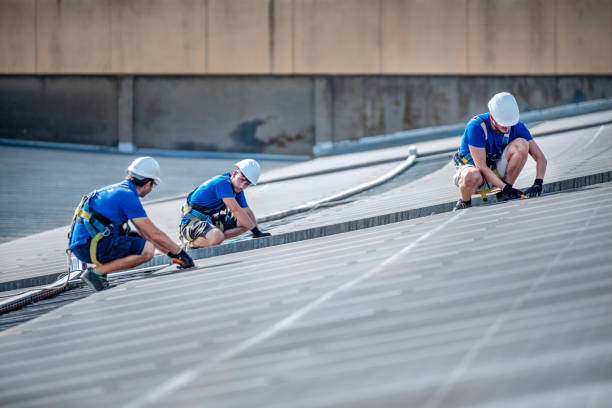
This guide will provide insights into maintaining flat roofs and addressing common issues effectively.
Benefits of Maintaining a Flat Roof
– Cost Savings: Regular inspections and minor repairs are far more affordable than complete roof replacements.
– Energy Efficiency: A well-maintained roof improves insulation, reducing energy costs significantly.
– Leak Prevention: Early detection of issues such as cracks or punctures can prevent leaks that may damage the building’s interior.
– Increased Property Value: Proper upkeep enhances the overall value of your commercial property by ensuring structural integrity.
Common Problems in Flat Roofs
- Occurs when water accumulates on the surface instead of draining properly.
- Over time, these blisters can rupture, leaving parts of your roof vulnerable.
- Most flat roofs have seams where materials meet.
- Wear and tear over time can cause these seams to separate, increasing susceptibility to leaks.
- Flashing around chimneys, vents, or edges often deteriorates due to weather exposure.
- Damaged flashing often leads to water penetration.
Addressing flat roof problems promptly is crucial for maintaining its functionality.
- Perform Regular Inspections
- Clear Drainage Systems
Remove debris from gutters and downspouts regularly to prevent ponding water. - Patch Small Cracks or Holes Promptly
Use high-quality patching materials like cold-applied liquid membranes or bitumen tape for minor damage areas. - Replace Damaged Flashing
Ensure that all flashing is properly sealed with durable adhesives designed for roofing applications. - Consult Professional Roofing Contractors for Major Repairs
For severe damage like widespread ponding or structural concerns, hire licensed professionals with experience in commercial flat roofing systems.
Maintenance Checklist for Flat Roofs
| Task | Frequency | Notes |
| Inspect roofing membrane | Twice annually | Check for cracks, tears, or bubbles |
| Clear drains & gutters | Monthly | Remove leaves/debris causing blockages |
| Check flashing & seals | Twice annually | Look for signs of corrosion/detachment |
| Inspect interior ceilings | After storms | Identify signs of leaks or water stains |
| Assess ponding areas | As needed | Ensure proper drainage solutions |
Regular care and attention are essential for extending the lifespan of a commercial flat roof while minimizing costly disruptions caused by neglect-related damage. Following best practices outlined above helps protect your investment while ensuring optimal performance year-round.
However, understanding how to maintain and repair a flat roof is crucial to maximize its lifespan and minimize costly damage. Here’s what you should know about flat roof repair for commercial properties.
Why Flat Roofs Require Regular Maintenance
Flat roofs are exposed to various elements, including rain, UV rays, and fluctuating temperatures. Unlike sloped roofs, their flat surface makes it easier for water or debris to accumulate, potentially leading to damage over time. Neglecting regular inspections can result in issues such as leaks, cracks, or structural damage.
- Preventative Care: Early detection of issues reduces the risk of major repairs.
- Cost Efficiency: Maintenance is generally more affordable than large-scale repairs or replacements.
- Extended Lifespan: Proper upkeep ensures your roof lasts its intended lifespan or even longer.
Common Causes of Damage in Commercial Flat Roofs
- Poor drainage often leads to water collecting in shallow dips on the roof.
- Prolonged pooling stresses roofing materials and can lead to leaks.
- Prolonged exposure to sunlight degrades roofing membranes over time.
- This can cause blistering or cracking in the surface layers.
- Damaged flashing around vents or chimneys allows water infiltration.
- Improper installation may accelerate wear over time.
- Accumulation of snow or heavy equipment can strain the structural integrity of flat roofs.
- Overloading may lead to sagging areas or even collapse if unaddressed.
- Commercial buildings often have HVAC systems on the roof that require servicing.
- Frequent foot traffic increases wear on membranes or coatings.
Steps in Repairing a Flat Roof
- Begin by conducting a thorough visual inspection across the entire roof.
- Focus on high-risk areas such as seams, flashing points, and drainage systems.
- Remove leaves, dirt, and stagnant water before starting any repairs.
- Use non-abrasive tools to avoid damaging roofing materials further.
- For minor cracks: Apply a patch with adhesive sealant after cleaning the area thoroughly.
- For blisters: Carefully cut open using a utility knife, dry out trapped moisture, then reseal with roofing cement.
- Remove old flashing material that’s damaged or loose.
- Replace it with new metal flashing secured tightly with fasteners before sealing gaps with waterproof compound.
- For aging roofs showing significant wear but no structural issues: Consider applying an elastomeric coating for added protection against UV rays and water infiltration.
Preventative Measures for Long-Term Performance
- Schedule annual professional inspections.
- Ensure your drainage systems remain unobstructed year-round.
- Apply protective coatings every few years based on material recommendations (e. g. , silicone coatings).
- Limit access to unauthorized personnel; install walkways if heavy foot traffic is unavoidable.
Table: Advantages & Challenges of Common Flat Roofing Materials
| Material | Advantages | Challenges |
| EPDM Rubber | Durable & cost-effective | Vulnerable to punctures |
| TPO Membrane | Energy-efficient & lightweight | Requires skilled installation |
| Modified Bitumen | Highly weather-resistant | Susceptible to heat-related cracking |
| PVC Membrane | Excellent UV resistance | Higher upfront cost |
Understanding these factors will help you make informed decisions regarding maintenance strategies while ensuring minimal disruption to business operations throughout the process. By staying proactive with repairs and addressing small problems quickly when they arise, you’ll protect your investment effectively over its lifespan without unnecessary expense escalations.
How to Spot Early Signs of Roof Damage with a Commercial Roofing Contractor in Phoenix, AZ
Detecting roof damage early can save commercial property owners from costly repairs and potential structural issues. Here are key steps and considerations for spotting early signs of roof damage in flat roofs.
Common Indicators of Roof Damage
Flat roofs are particularly susceptible to certain types of wear and tear due to their structure and exposure to the elements.
- Pools of water that remain on the roof 48 hours after a storm signal drainage issues. Left unaddressed, ponding water can weaken roofing materials over time.
- Cracks, tears, or splits in the roofing material may expose your building to water infiltration, especially during heavy rainfall.
- Damaged or loose flashing around vents, chimneys, or edges compromises waterproofing capabilities and allows moisture intrusion.
- Water stains or discoloration on ceilings and walls inside the building often suggest a leak has already occurred through the roof.
Routine Inspections
Regular inspections are essential for catching potential problems before they escalate.
- Schedule Biannual Inspections
Inspect your flat roof at least twice a year—preferably in spring and fall—to catch seasonal damage early. - Inspect After Severe Weather Events
High winds, hailstorms, or heavy snowfall can cause sudden damage to roofing systems. Conduct inspections immediately following such events. - Use Professional Roofing Services When Necessary
While basic inspections can be conducted by building maintenance staff, hiring professional roof inspectors ensures a more thorough evaluation using advanced techniques like infrared scans.
Checklist for Spotting Early Roof Damage
| Area | What To Look For | Action Steps |
| Roof Surface | Ponding water, cracks, blisters | Clear standing water; consult a roofer for cracks/blisters |
| Flashing & Edges | Loose or corroded flashing | Replace damaged sections immediately |
| Gutters & Drains | Clogs from debris | Clean gutters regularly |
| Interior Ceilings | Water stains or peeling paint | Investigate source; schedule repairs |
Preventative Measures
- Install reflective coatings to reduce UV-related wear on your flat roof.
- Ensure regular cleaning of gutters and downspouts to prevent water backup.
- Trim overhanging tree branches that could deposit debris onto your roof.
- Invest in high-quality materials during initial installation or repair projects.
By spotting early signs of roof damage through diligent monitoring and scheduled maintenance, you protect your investment while extending its service life effectively.
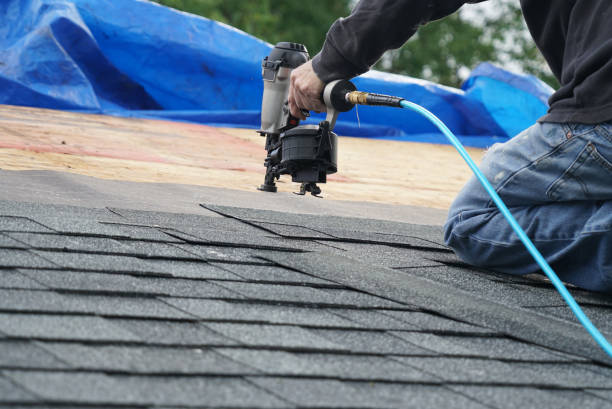
Early Signs of Damage to Industrial Roofing in Phoenix, AZ and How to Spot Them
Early detection of roof damage is key to preventing costly repairs and ensuring the longevity of your commercial flat roof. Identifying potential issues at an early stage can help mitigate risks, avoid structural damage, and improve overall roof performance. This section outlines the early signs of flat roof damage, inspection tips, and preventive actions.
Common Signs of Roof Damage
Regular inspections of your commercial flat roof can reveal critical warning signs.
- Ponding Water: Flat roofs often experience water pooling after heavy rainfall. If the water does not drain within 48 hours, it may weaken your roofing material or cause leaks.
- Blistering or Bubbling: Bubbling under the surface indicates trapped moisture between layers of roofing material, which could lead to further degradation.
- Flashing Deterioration: Damaged flashing around vents, chimneys, or skylights can lead to water infiltration.
- Mold or Algae Growth: The presence of mold or algae on the roof signals prolonged moisture exposure and potential leaks.
- Interior Water Stains: Check ceilings and walls inside the building for water stains that may indicate a leaking roof.
Tips for Early Detection
- Conduct Regular Inspections:Inspect your flat roof at least twice a year—preferably in spring and fall—and immediately after severe weather events like storms.
- Use Professional Services:Rely on professional roofing contractors who have expertise in spotting subtle yet significant problems that might be overlooked by untrained personnel.
- Inspect Drainage Systems:Ensure all drains and downspouts are free from debris to prevent ponding water that can compromise your roof’s integrity.
- Monitor Energy Costs:A sudden increase in heating or cooling expenses could indicate poor thermal insulation due to undetected damage on your flat roof.
Preventative Maintenance Checklist
| Task | Frequency | Recommended Action |
| Inspect for ponding water | After rainstorm | Remove standing water with proper drainage tools |
| Clean debris | Quarterly | Remove leaves, dirt, and other debris |
| Check membrane condition | Semi-annually | Look for cracks, blisters, or punctures |
| Examine flashing | Semi-annually | Repair loose or damaged flashing |
| Review interior areas | Monthly | Identify leaks through ceiling stains |
Why Acting Early Matters
- Small cracks can expand due to freeze-thaw cycles during winter.
- Prolonged moisture exposure weakens structural components such as beams and supports.
- Mold growth not only damages materials but also poses health risks for building occupants.
By being vigilant and addressing these early warning signs promptly with routine inspections and maintenance, you safeguard both your property investment and its occupants’ safety.
Comprehensive Options for Repairing Commercial Flat Roofing in Phoenix, AZ
However, like any roofing system, they can experience wear and tear over time, leading to the need for repairs. Choosing the right repair method is critical not only for restoring functionality but also for extending the lifespan of the roof. Below is a comprehensive overview of flat roof repair options, highlighting their benefits and considerations.
Flat roof repairs can range from minor fixes to extensive restoration work.
- Ideal for small leaks or isolated damage.
- Involves applying roofing material over cracks or holes in the membrane.
- Cost-effective and quick to implement.
- Best suited for issues that do not compromise the overall structural integrity.
- Adds an additional layer of roofing material over the existing roof.
- Provides enhanced insulation and waterproofing without requiring a full replacement.
- Suitable when only one section of the roof has deteriorated significantly.
- May not be feasible if the current roof is already too heavy or degraded.
- Recommended when damage is extensive, or multiple leaks exist across the structure.
- Involves removing old materials and installing an entirely new roofing system.
- Costlier upfront but ensures long-term reliability.
- Allows you to upgrade to modern materials with better durability.
- Effective for reinforcing vulnerable areas such as seams, joints, or flashing.
- Prevents water infiltration while improving energy efficiency by reducing heat loss.
- Requires periodic reapplication depending on weather exposure.
Factors to Consider When Selecting a Repair Method
| Factor | Considerations |
| Roof Condition | Assess extent of damage—localized issues may only require patching. |
| Budget | Determine available funds—overlay systems may offer an affordable solution. |
| Material Compatibility | Make sure new materials are compatible with existing ones. |
| Building Use | Consider how repairs might disrupt daily operations during implementation. |
| Climate | Evaluate weather conditions that could impact repair longevity and success. |
Benefits of Timely Repairs
- Prevents minor problems from escalating into costly repairs or replacements.
- Enhances safety by mitigating risks associated with structural weaknesses or water pooling.
- Improves energy efficiency through better thermal regulation and insulation performance.
- Extends overall lifespan while maintaining property value.
Proactive Maintenance Tips
- Clearing debris from gutters and drainage systems regularly to prevent water buildup.
- Monitoring areas prone to wear, including flashing edges and seams near HVAC units or vents.
By staying vigilant about your flat roof’s condition and understanding your repair options thoroughly, you can make informed decisions that ensure long-term durability while minimizing costs over time.
Selecting the right materials for a roof is one of the most critical aspects of ensuring its durability and longevity. The materials you choose can significantly impact the roof’s ability to withstand weather elements, resist wear and tear, and maintain structural integrity over time. Below, we explore key considerations when choosing roofing materials and provide a breakdown of some of the best options available.
Factors to Consider When Selecting Roofing Materials
- Certain roofing materials perform better in specific climates.
- Metal roofingis excellent for areas with heavy rainfall or snow due to its water-shedding capabilities.
- TPO (Thermoplastic Polyolefin)membranes work well in hot climates because of their reflective properties that reduce heat absorption.
- Consider local temperature variations, wind speeds, and precipitation levels when making your choice.
- The longevity of roofing materials varies widely: | Material | Average Lifespan | |————————|————————| | EPDM Rubber | 25-30 years | | Single-Ply TPO Membrane| 20-30 years | | Modified Bitumen | 10-20 years | | Metal Panels | 40-70+ years |
Opting for a longer lifespan material may save costs on repairs or replacements over time.
- Asphalt-based options may need frequent repairs due to cracking.
- PVC membranes are relatively low-maintenance but need professional inspections periodically.
- Budgetary Constraints
Balancing initial costs with long-term value is essential: - Affordable options like modified bitumen might require higher upkeep.
- Premium choices like standing seam metal roofs have high upfront costs but minimal maintenance expenses later.
- Environmental Impact
Look for eco-friendly options: - Recyclable metals such as aluminum or steel have lower environmental footprints.
- Cool roofing technologies (e. g. , white reflective coatings) help reduce energy consumption by reflecting sunlight.
Popular Flat Roofing Materials
- Constructed using multiple layers of tar and gravel.
- Benefits: Affordable, good insulation properties, durable under foot traffic.
- Drawbacks: Heavyweight, time-consuming installation process.
- A mix of asphalt with modifiers to enhance flexibility.
- Benefits: Easy application via torch-down methods, waterproofing capabilities.
- Drawbacks: Shorter lifespan compared to alternatives.
- Synthetic rubber membrane primarily used in commercial applications.
- Benefits: Lightweight, highly durable against UV rays and temperature extremes.
- Drawbacks: Vulnerable to punctures from sharp objects or debris.
- A single-ply reflective material known for energy efficiency.
- Benefits: Heat-welded seams provide exceptional waterproofing; reflects UV rays effectively.
- Drawbacks: Less proven lifespan compared to older systems like EPDM or PVC roofs.
Tips for Maximizing Roof Material Performance
- Ensure proper installation by certified professionals—the quality of installation can affect material performance significantly.
- Schedule routine inspections (at least twice a year) to identify early signs of wear.
- Invest in protective coatings if applicable—for example, acrylic coatings prolong the life span of metal roofs by preventing rust formation.
Choosing suitable roofing materials requires careful evaluation based on your building’s needs and location-specific conditions. By selecting high-quality products tailored to your requirements, you ensure long-term performance both economically and functionally without compromising on durability or safety considerations.

Sustainability Considerations in Modern Flat Roofing Solutions
Sustainability has become a critical aspect of construction and roofing projects, particularly for commercial buildings. Modern flat roofing solutions are evolving to meet the demand for environmentally friendly materials and practices while maintaining performance and durability. Below, we’ll explore key sustainability considerations for flat roofs, including material selection, energy efficiency, and innovative design methods.
Benefits of Sustainable Flat Roofing
- Reduced Environmental Impact: Sustainable materials lower carbon emissions during manufacturing and usage.
- Energy Efficiency: Reflective coatings and proper insulation can reduce cooling and heating costs significantly.
- Cost Savings: Though initial installation may require investment, long-term savings are achieved through energy efficiency and durability.
- Improved Building Value: Properties with eco-friendly features often gain higher resale values.
Sustainable Materials for Flat Roofs
Choosing the right materials is paramount to achieving sustainability in flat roofing.
| Material | Benefits | Lifespan |
| Recycled Rubber | Repurposed materials reduce waste; durable | 20–30 years |
| TPO (Thermoplastic Polyolefin) | Energy-efficient; recyclable; lightweight | 15–20 years |
| Green Roof Systems | Provides insulation; promotes biodiversity | 30+ years |
| Metal Roofing | Recyclable at end of life; highly durable | 40–70 years |
Energy-Efficient Design Features
- Cool Roof Coatings: These coatings reflect more sunlight than standard roofs, reducing heat absorption and lowering indoor cooling costs.
- Solar Panels: Installing photovoltaics on flat roofs capitalizes on unused space to generate renewable energy for the building or grid.
- Insulation Layers: Proper thermal insulation reduces heat transfer, improving energy retention during colder months.
- Daylighting Options: Skylights or solar tubes can provide natural lighting to minimize reliance on electrical systems during daytime hours.
Green Roof Systems
A green roof—also known as a living roof—is one of the most innovative sustainable solutions available today. It involves layering vegetation over waterproof membranes to create an ecosystem atop your commercial building.
Advantages of Green Roofs:
- Reduced stormwater runoff due to water retention by plants.
- Improved thermal insulation.
- Enhanced air quality as plants filter pollutants.
- Aesthetic appeal that aligns with urban greening initiatives.
Key Considerations:
When installing a green roof system, it’s essential to consider structural load capacity, plant selection based on climate conditions, and ongoing maintenance needs such as irrigation.
Maintenance Practices for Longevity
- Conduct routine inspections to identify issues early (e. g. , ponding water or membrane damage).
- Clean debris that could block drainage systems or damage reflective coatings.
- Repair small issues promptly before they escalate into larger problems requiring more resources.
By combining environmentally conscious material choices with efficient designs and regular upkeep, modern flat roofing can contribute significantly toward sustainability goals without compromising durability or functionality for commercial properties.
What Is Lead Flashing Repair in Roofing and Why It Matters for Your Property
Lead flashing plays a critical role in ensuring a durable and watertight roofing system. Understanding its repair process and significance is essential for maintaining the integrity of your property’s roof. This guide outlines the basics of lead flashing, common issues it faces, and why proper repair techniques should not be overlooked.
What Is Lead Flashing?
Lead flashing is a weather-resistant material used to create a seal between different sections of a roof or where the roof meets other structural elements like chimneys, vents, or walls. It prevents water from seeping into vulnerable areas by creating an effective barrier that directs water flow away from potential weak points.
- Flexibility:Easily moldable to fit irregular surfaces.
- Durability:Resistant to cracking, weather damage, and UV exposure.
- Longevity:When installed correctly, it can last several decades with minimal maintenance.
Common Issues with Lead Flashing
Over time, even durable materials like lead flashing can develop problems due to wear and tear.
- Exposure to moisture over time can cause corrosion, reducing its effectiveness.
- Acidic rain may accelerate this degradation.
- Temperature fluctuations may cause expansion and contraction, leading to cracks in the material.
- Improperly installed flashing may allow water ingress and compromise the roof’s structure.
- The sealant used around lead flashing may degrade over time due to UV exposure or weather conditions.
- External impacts such as falling debris or heavy foot traffic on roofs can damage lead flashing.
Why Lead Flashing Repair Matters
- Water Damage:Leaks through compromised areas can lead to structural damage, mold growth, and costly repairs.
- Energy Inefficiency:Gaps or poorly sealed areas reduce insulation efficiency, increasing energy costs.
- Shortened Roof Lifespan:Ongoing moisture intrusion accelerates deterioration of roofing materials.
Steps in Lead Flashing Repair
Proper repair techniques are crucial to ensure lasting results.
- Inspect the damaged area thoroughly to identify leaks or deteriorated sections.
- Remove debris, dirt, and old sealant from the affected section to ensure proper adhesion during repair.
- For small cracks, apply high-quality roofing sealant compatible with lead materials.
- Replace the damaged section with new lead flashing.
- Ensure overlapping layers for better sealing.
- Seal all joints using a flexible but durable sealant designed for roofing applications.
- Check for gaps or loose edges that could compromise water resistance after repair completion.
| Issue | Potential Consequence | Recommended Action |
| Corrosion | Leaks & reduced efficiency | Replace corroded sections |
| Cracks | Water infiltration | Apply sealant/replacement |
| Poor installation | Persistent leaks | Reinstall properly |
Preventive Maintenance Tips
- Schedule regular inspections (at least biannually) by roofing professionals.
- Clean gutters and downspouts regularly to prevent water buildup near flashings.
- Use protective coatings on flashing if located in harsh environments prone to acid rain or extreme temperatures.
By addressing issues promptly and performing routine maintenance checks on your roof’s lead flashings, you can protect your investment while avoiding costly structural damages caused by neglect over time.
- Step-by-Step Guide to Commercial Roofing Phoenix, AZ Installation
- Comprehensive Guide to Commercial Roofing in Phoenix, AZ: Understanding the Replacement Process
- How to Ensure a Smooth and Efficient Commercial Roofing Phoenix, AZ Installation Process
- Tips for Selecting a Commercial Roofing Company Phoenix, AZ for Long-Lasting Roof Solutions
- Selecting the Best Materials for Commercial Roof Installation Phoenix, AZ to Maximize Durability and Longevity
- A Complete Guide to Industrial Roofing Phoenix, AZ: Top 16 Materials, Costs, Pros, and Cons
- Initial Assessment and Consultation with a Commercial Roofing Company Phoenix, AZ
- Key Factors to Consider for a Successful Project with a Commercial Roofing Company Phoenix, AZ