
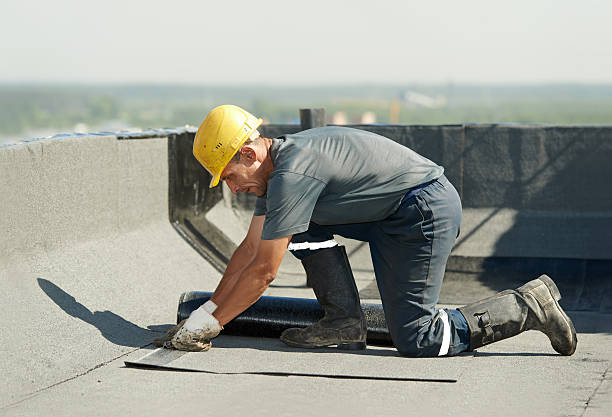
A well-planned commercial roof installation process is critical to ensuring the integrity, longevity, and energy efficiency of your building. Whether you’re installing a new roof or replacing an old one, taking the right steps can prevent delays, cost overruns, and unexpected issues. Below are practical tips to ensure a smooth and efficient roofing project from start to finish.
1. Conduct a Pre-Installation Assessment
Before starting the installation process, it’s essential to evaluate your building’s existing structure and roofing system. This assessment will identify any underlying issues that need resolution before the new roof is installed.
- Check the structural integrity of your building.
- Assess drainage systems for proper water flow.
- Inspect insulation levels to ensure energy efficiency.
- Identify areas requiring repair or reinforcement.
Thorough preparation helps avoid complications during installation and ensures your roof functions optimally after completion.
2. Choose the Right Roofing System
Selecting an appropriate roofing system tailored to your building’s needs is vital for both performance and durability. Factors such as climate conditions, building use, budget constraints, and maintenance requirements should guide your choice.
| Type of Roof | Benefits | Ideal For |
| Single-Ply Membrane | Lightweight, energy-efficient | Flat or low-slope roofs |
| Metal Roofing | Durable, fire-resistant | Buildings in extreme climates |
| Built-Up Roofing | Strong weather resistance | High foot traffic areas |
| Modified Bitumen | Flexible in varying temperatures | Industrial applications |
Consult with a roofing expert to determine which option aligns best with your property requirements.
3. Develop a Detailed Project Timeline
Set clear timelines with milestones to keep the project on track. A structured plan ensures all stakeholders—contractors, suppliers, and business owners—are aligned throughout the process.
- Materials procurement deadlines.
- Scheduled inspections at each stage of progress.
- Contingency plans for weather-related delays.
- Target completion date.
By adhering to a timeline, you minimize disruptions to daily business operations while keeping installation organized.
4. Communicate with Your Contractor
- Warranty terms and coverage.
- Budget parameters and cost transparency.
- Regular updates on project progress.
Maintain an open line of communication throughout the process to facilitate decision-making when adjustments are necessary.
5. Prioritize Safety Measures
- Use fall protection systems like guardrails or harnesses.
- Provide training on handling hazardous materials (e.g., adhesives).
- Monitor weather conditions during installations on high elevations.
Comprehensive safety practices not only protect workers but also minimize liability for property owners.
6. Plan for Maintenance Post Installation
- Remove debris regularly from gutters and drains.
- Schedule annual inspections by certified professionals.
- Address minor damages promptly before they worsen.
- Monitor signs of wear such as leaks or cracks over time.
Proactive care will help mitigate long-term costs associated with major repairs or premature replacement needs.
By following these tips step by step during planning through completion phases of commercial roof installations effectively reduces risks while ensuring long-lasting results .
Discover Why a Commercial Roofing Company Phoenix, AZ Recommends Single-Ply Roofing for Your Business
Single-ply roofing systems have become increasingly popular in commercial roofing due to their durability, energy efficiency, and ease of installation. These roofing systems are designed to provide a long-lasting solution for a wide range of commercial properties. Below are the key benefits that single-ply roofing offers, along with insights to help you determine if it’s the right choice for your building.
What is Single-Ply Roofing?
- TPO (Thermoplastic Polyolefin): Known for its reflective properties and energy efficiency.
- EPDM (Ethylene Propylene Diene Monomer): A durable synthetic rubber membrane ideal for large buildings.
- PVC (Polyvinyl Chloride): Highly resistant to chemicals, fire, and UV exposure.
These materials can be mechanically fastened, fully adhered with adhesive, or ballasted with gravel or stones.
Key Benefits of Single-Ply Roofing
- Single-ply membranes offer excellent resistance to weathering, UV radiation, and extreme temperature changes.
- They are less prone to cracking or splitting compared to multi-layered roofing systems.
- Many single-ply systems, such as TPO and PVC, have reflective surfaces that reduce heat absorption and lower cooling costs.
- EPDM membranes can be paired with white coatings to improve their reflectivity, enhancing energy savings.
- The lightweight nature of single-ply membranes simplifies transportation and handling during installation.
- These systems typically require fewer labor hours than traditional built-up roofs (BUR).
- Single-ply membranes can be customized to fit roofs with unique shapes or configurations.
- They work well on both flat and low-sloped surfaces.
- The seamless design minimizes the risk of leaks by reducing potential weak points on the roof surface.
- Proper installation ensures long-term moisture protection.
- Many TPO and PVC membranes are recyclable at the end of their lifespan.
- Their reflective properties contribute to reducing urban heat islands by decreasing roof temperatures.
Comparing Single-Ply Membranes
| Feature | TPO | EPDM | PVC |
| Reflectivity | High | Low (can be enhanced) | High |
| Chemical Resistance | Moderate | Moderate | High |
| Flexibility | Moderate | High | Moderate |
| Cost | Mid-range | Cost-effective | Higher cost |
| Lifespan | 20–30 years | 25–30 years | 20–30 years |
Applications Best Suited for Single-Ply Roofing
- Warehouses
- Retail stores
- Office complexes
- Healthcare facilities
- Educational institutions
The system’s versatility makes it suitable for both new constructions and roof replacements.
Maintenance Tips for Long-Term Performance
- Schedule annual inspections to identify potential issues early.
- Keep rooftop drains clean to prevent water pooling.
- Repair punctures promptly if minor damage occurs.
Investing in regular upkeep can ensure your roof remains effective throughout its service life while reducing unexpected repair costs.
By understanding the benefits of single-ply roofing systems, commercial property owners can make informed decisions about their investment in a reliable and efficient roofing solution tailored to their specific needs.

Exploring the Advantages of Single-Ply Roofing with a Commercial Roofing Contractor in Phoenix, AZ
Single-ply roofing systems have become a popular choice for commercial properties due to their durability, energy efficiency, and ease of installation. Whether you’re managing a warehouse, office building, or retail space, understanding the advantages of single-ply roofing can help you make an informed decision for your property.
What is Single-Ply Roofing?
- Thermosets: Made from rubber-based materials like EPDM (Ethylene Propylene Diene Monomer), thermoset membranes are known for their resistance to UV rays and weathering.
- Thermoplastics: Examples include TPO (Thermoplastic Polyolefin) and PVC (Polyvinyl Chloride). These materials offer superior seam strength due to heat-welded seams.
Both types provide excellent protection while catering to different needs based on the building type and location.
Key Benefits of Single-Ply Roofing
- High resistance to UV radiation, ozone exposure, and chemicals.
- Flexible membranes can withstand temperature fluctuations without cracking.
- Ideal for buildings in areas with extreme weather conditions.
- Lightweight material reduces structural strain on the building.
- Available in large sheets which require fewer seams — minimizing potential leak points.
- Compatible with various installation methods such as fully adhered, mechanically fastened, or ballasted systems.
- Many single-ply membranes feature reflective surfaces that reduce heat absorption.
- Improved roof reflectivity contributes to lower cooling costs during warmer months.
- Some options meet ENERGY STAR® requirements, providing eco-friendly solutions.
- Competitive upfront costs compared to other commercial roofing systems.
- Lower maintenance needs reduce long-term expenses.
- Suitable for flat or low-slope roofs commonly found in commercial settings.
- Can be installed over existing roofing systems, reducing the need for costly tear-offs.
Comparing EPDM vs. TPO vs. PVC
| Property | EPDM | TPO | PVC |
| Material Type | Synthetic rubber | Thermoplastic polyolefin | Polyvinyl chloride |
| Lifespan | 20–30 years | 15–25 years | 20–30 years |
| Reflectivity | Low | High | High |
| Seam Strength | Moderate | Strong | Strong |
| Chemical Resistance | Moderate | Moderate | High |
Maintenance Tips for Single-Ply Roofing
To maximize the lifespan of your single-ply roof: – Schedule regular inspections at least twice a year. – Promptly address punctures or tears caused by foot traffic or debris. – Clean reflective surfaces periodically to maintain energy efficiency.
By incorporating these practices, you can ensure that your single-ply roof provides optimal performance over time while protecting your commercial property effectively.
Discover Industrial Roofing Solutions in Phoenix, AZ for Durable Commercial Roofs
When it comes to commercial roofing, choosing a durable and reliable system is critical to ensuring long-term performance and protection. Built-up roofing (BUR) systems have been a trusted solution for decades, offering unmatched durability and versatility for flat or low-slope roofs. Below, we’ll explore the features, benefits, and key considerations of built-up roofing systems to help you determine if this option is right for your commercial building.
What is a Built-Up Roofing System?
- Base Sheets: The foundational layer that provides adhesion to the roof deck.
- Ply Sheets: Reinforced layers of fabric or fiberglass that add strength.
- Bitumen Layers: Applied between ply sheets; typically asphalt or coal tar pitch.
- Surfacing Material: A protective outer layer made from gravel, mineral granules, or specialized coatings.
This multi-layered design ensures redundancy in protection, making BUR systems a popular choice for commercial properties needing long-term reliability.
Benefits of Built-Up Roofing Systems
- Durability
BUR systems are known for their resilience against physical damage and environmental stressors. The multiple layers create a robust barrier capable of withstanding heavy foot traffic commonly associated with commercial rooftops. - Waterproofing
The use of bitumen ensures excellent waterproofing properties. Combined with overlapping ply sheets, this design minimizes the risk of water infiltration. - UV Resistance
Surfacing materials such as gravel reflect sunlight and protect against harmful UV radiation, extending the roof’s lifespan. - Fire Resistance
Depending on the surfacing material used (e.g., mineral granules), BUR systems can provide high fire resistance ratings. - Cost-Effectiveness Over Time
While initial installation costs may be higher than other options, their longevity reduces repair and replacement expenses in the long run.
Common Applications for Built-Up Roofing Systems
- Retail buildings
- Office complexes
- Warehouses
- Industrial facilities
- Schools or municipal buildings
Its ability to cover large areas efficiently makes it particularly suited for flat-roof designs commonly seen in these structures.
Things to Consider Before Choosing BUR
| Factor | Consideration |
| Installation Time | BUR installation can be labor-intensive due to its layered approach. |
| Cost | Initial costs might be higher compared to single-ply alternatives like TPO or EPDM. |
| Maintenance Needs | Regular inspections are necessary to ensure surfacing materials remain intact over time. |
Additionally, hiring an experienced contractor is essential since proper installation directly impacts performance and longevity.
Is Built-Up Roofing Right For Your Building?
Built-up roofing systems are an excellent choice if you’re seeking durability and proven reliability for your commercial property’s roof. However, understanding your building’s specific needs—such as climate conditions, budget constraints, and structural requirements—is critical when deciding whether BUR is the right option. Consulting with a professional roofing contractor can help ensure you select the best solution tailored to your unique project specifications.
Benefits of Commercial Flat Roofing Phoenix, AZ for Your Business
1. Exceptional Durability
Metal roofs are designed to withstand harsh environmental conditions, making them ideal for commercial buildings in regions with extreme weather. Key durability benefits include:
– Resistance to Weather Damage: Metal roofing can resist heavy rain, high winds, snow accumulation, and even hail better than many other materials.
– Longevity: A properly installed and maintained metal roof can last 40-70 years or longer, significantly outlasting traditional materials like asphalt shingles or single-ply membranes.
– Fire Resistance: Most metal roofs have a Class A fire rating, offering protection against fire hazards.
2. Energy Efficiency
Metal roofing is well-regarded for its ability to reduce energy consumption in commercial buildings. This is particularly advantageous for businesses looking to lower costs while promoting sustainability. Some energy-efficient features include:
– Reflectivity: Metal roofs reflect solar radiation rather than absorbing it, which helps reduce cooling costs during hot months. Many metal roofing systems have high solar reflectance ratings due to special coatings or finishes like cool roof systems. – Thermal Performance: With proper insulation beneath the panels, metal roofing minimizes heat transfer into the building during winter months. – Compatibility with Solar Panels: Metal roofs provide an ideal surface for installing solar panel systems due to their strength and ease of integration.
3. Low Maintenance Requirements
Compared to other commercial roofing options, metal roofs require minimal maintenance over their lifespan: – They do not crack or warp under temperature fluctuations. – Regular cleaning of debris and checking fasteners is typically sufficient. – Protective finishes prevent rusting and corrosion.
4. Environmental Sustainability
For eco-conscious business owners, metal roofing provides an environmentally friendly option: | Feature | Benefit | |———————–|————————————————————————| | Recyclability | Most metal roofs are made from recyclable materials (aluminum or steel) and can be recycled at the end of their life cycle instead of ending up in landfills. | | Reduced Waste | Long lifespan means fewer replacements over time compared with traditional options like asphalt shingles that need frequent replacements.|
5. Design Versatility
Metal roofs come in various styles and finishes that can complement any architectural style: – Panels & Profiles: Options include standing seam panels, ribbed panels, or corrugated sheets depending on the desired look. – Color Choices: Wide variety of colors available through advanced paint systems ensures aesthetic flexibility.
6. Cost Benefits Over Time
While the upfront installation cost of a metal roof may be higher than some alternatives: – Its long lifespan minimizes replacement expenses. – Energy savings significantly reduce utility costs over time.
For businesses prioritizing reliability combined with cost-effectiveness across decades rather than short-term fixes requiring frequent repairs/replacement cycles—metal solutions make practical sense

Essential Tips for Choosing the Best Contractor for Commercial Roof Installation Phoenix, AZ
Choosing the right contractor is one of the most critical steps in ensuring a successful commercial roof installation. A professional and experienced contractor can save you time, money, and potential headaches, while an unqualified contractor can cause delays, cost overruns, or subpar work. Below are some key factors to consider when selecting the right roofing contractor for your commercial project.
Licensing and Certifications
- Verify Licensing: Ensure the contractor holds all necessary licenses required by state and local authorities for commercial roofing work.
- Industry Certifications: Look for certifications from reputable organizations such as the National Roofing Contractors Association (NRCA) or manufacturer-specific programs. These indicate a high level of competency and adherence to industry standards.
Experience with Commercial Roofing
- Track Record: Select a contractor with extensive experience in handling commercial roofing projects similar in size and scope to yours.
- Specialized Knowledge: Some contractors specialize in residential roofing but lack expertise in commercial systems, which require different materials and techniques. Confirm their experience specifically with commercial roofs.
References and Reviews
- Customer Testimonials: Ask for references from previous clients who have worked with the contractor on comparable projects.
- Online Reviews: Check reviews on platforms like Google, Yelp, or Better Business Bureau (BBB) to gauge customer satisfaction and identify any red flags.
Insurance Coverage
- Liability Insurance: Verify that the contractor carries adequate general liability insurance to protect against property damage or accidents during construction.
- Workers’ Compensation Insurance: This protects you from liability if a worker is injured on your property during the project.
| Insurance Type | Why It’s Important |
| General Liability | Covers property damage caused by construction activities |
| Workers’ Compensation | Protects against claims if workers are injured on-site |
Warranty Options
A reliable roofing contractor should provide warranties for both materials and workmanship. Review these carefully to understand what is covered and for how long. Contractors offering robust warranty options demonstrate confidence in their work quality.
Communication Skills
Effective communication is vital throughout your project. Assess how well prospective contractors communicate during initial consultations: – Are they responsive to inquiries?
– Do they provide clear explanations about materials, timelines, and costs?
A good communicator will ensure transparency throughout every stage of your roof installation process.
Safety Protocols
Commercial roofing often involves large-scale projects at significant heights, making safety a top priority. Ask about their safety protocols: – Do they follow OSHA (Occupational Safety and Health Administration) guidelines?
– Are workers trained in fall protection measures?
Contractors who prioritize safety minimize risks during construction.
Detailed Proposal and Transparent Pricing
Request a detailed written proposal outlining: 1. Scope of work 2. Project timeline 3. Material specifications 4. Total cost breakdown
Transparent pricing helps you avoid unexpected expenses or hidden fees later in the project.
When hiring a roofing contractor for your commercial building, careful evaluation of their qualifications, experience, reputation, insurance coverage, warranties offered, communication skills, commitment to safety standards, and pricing structure will ensure you select someone capable of delivering quality results that meet your expectations.
- Step-by-Step Guide to Commercial Roofing Phoenix, AZ Installation
- Comprehensive Guide to Commercial Roofing in Phoenix, AZ: Understanding the Replacement Process
- How to Ensure a Smooth and Efficient Commercial Roofing Phoenix, AZ Installation Process
- Tips for Selecting a Commercial Roofing Company Phoenix, AZ for Long-Lasting Roof Solutions
- Selecting the Best Materials for Commercial Roof Installation Phoenix, AZ to Maximize Durability and Longevity
- A Complete Guide to Industrial Roofing Phoenix, AZ: Top 16 Materials, Costs, Pros, and Cons
- Initial Assessment and Consultation with a Commercial Roofing Company Phoenix, AZ
- Key Factors to Consider for a Successful Project with a Commercial Roofing Company Phoenix, AZ